
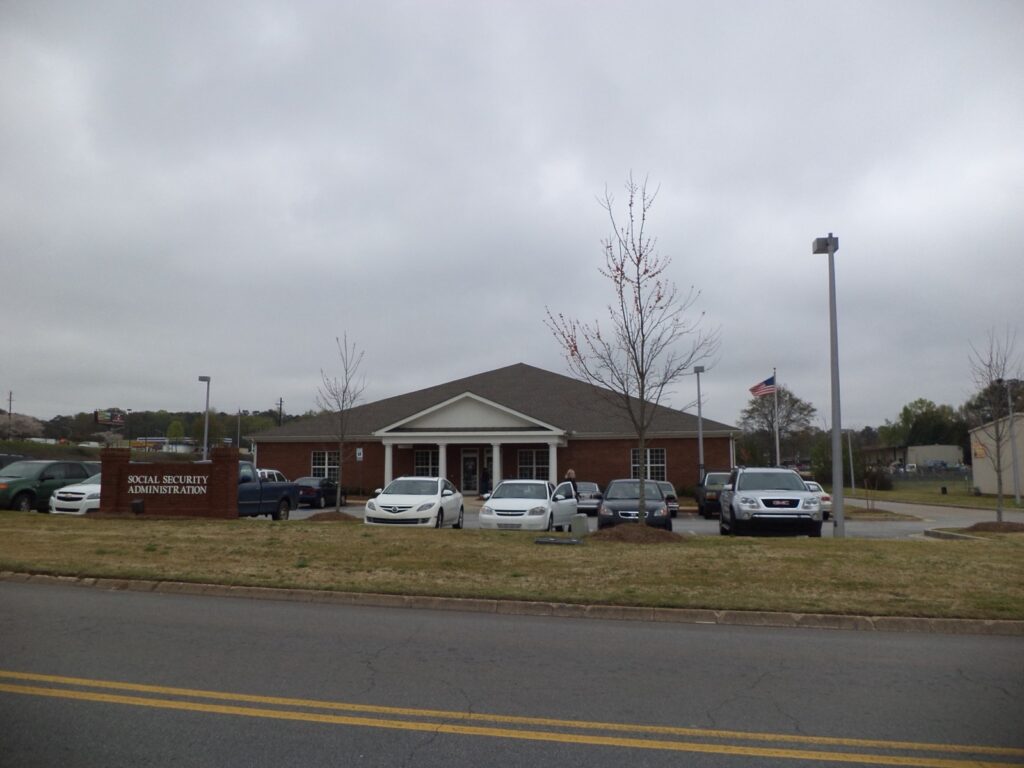
Social Security payments will rise 3.6% next year, the Social Security Administration announced on October 14. The cost-of-living adjustment, known as the COLA, affects about 76 million Americans who receive Social Security benefits, Supplemental Security Income or both.
For the average retired worker, the agency said, the increase works out to about $75 a month. Here is what changes, when the new amounts arrive and how the figure was set.
Who gets the increase and when
Nearly 72 million Social Security beneficiaries will receive the 3.6% adjustment beginning in January 2027, according to the agency. About 7.3 million people who receive SSI will see the higher payment sooner, on December 31, 2026. Some people receive both types of payment.
Beneficiaries do not need to apply or take any action to get the raise, NewsNation reported. It is applied automatically.
“Social Security will implement this cost-of-living adjustment for 76 million Americans, giving them greater financial stability,” Commissioner Frank J. Bisignano said in the agency’s announcement.
What the new amounts look like
The agency expects the average monthly benefit for retired workers to rise to $2,170 in January 2027, NewsNation reported, or roughly $900 more over the year. Its estimates for other households include an average of $3,355 a month for an aged couple who both receive benefits and $3,077 for a disabled worker with a spouse and one or more children.
The maximum benefit for a worker who claims at full retirement age will be $4,188 a month in 2027. Reaching that level generally requires 35 years of earnings at or above the Social Security taxable maximum.
How the 3.6% was calculated
The size of the COLA is set by formula, not by Congress each year. The Social Security Act ties it to the Consumer Price Index for Urban Wage Earners and Clerical Workers, or CPI-W, which the Bureau of Labor Statistics publishes. The government compares the average CPI-W for July through September with the same three months a year earlier.
Automatic annual adjustments have been in place since 1975. NewsNation reported that inflation rose 3.7% in September from a year earlier, citing federal data released the same day as the announcement, and attributed part of the recent increase to higher fuel prices.
The 2027 adjustment is the largest in four years, Accounting Today reported, since retirees received an 8.7% increase in 2023. Since 2020, the average COLA has been 3.7%, with a low of 1.3% in 2021, according to NewsNation.
When notices arrive
People with a personal my Social Security account can see their COLA notice online starting in late November, up to three weeks earlier than a paper notice would arrive by mail. Account holders can also choose to get a text or email alert when a new message is waiting in the account’s Message Center.
Anyone who wants to see the notice online but does not yet have an account needs to create one and enroll in paperless notices by November 18, the agency said. Beneficiaries who have not opted into paperless notices will receive theirs by mail in December.
The agency said this year’s notice is a simplified, one-page letter in plain language that lists the exact dates and dollar amounts of the new benefit and any deductions.
The Medicare piece
Many retirees have Medicare premiums deducted from their Social Security payments, so the change in their deposit will depend on 2027 Medicare costs too. The agency said the 2027 premium amount will be available through the my Social Security Message Center starting in late November, with Medicare changes posted at medicare.gov. Medicare’s annual open enrollment runs through December 7; our guide to Medicare Advantage plans ending in 2027 covers what that means for people whose plans are closing.